Integrated Smart Building Control
Contact SalesBackground
Smart buildings increasingly rely on Building Management Systems (BMS) and energy management platforms to optimize efficiency, sustainability, and tenant comfort. These systems depend on distributed IT and networking equipment, often installed in compact weak-current rooms, racks, or energy control cabinets. Space and power availability are limited, making traditional deployments complex and costly.
Challenges
Space and Power Constraints
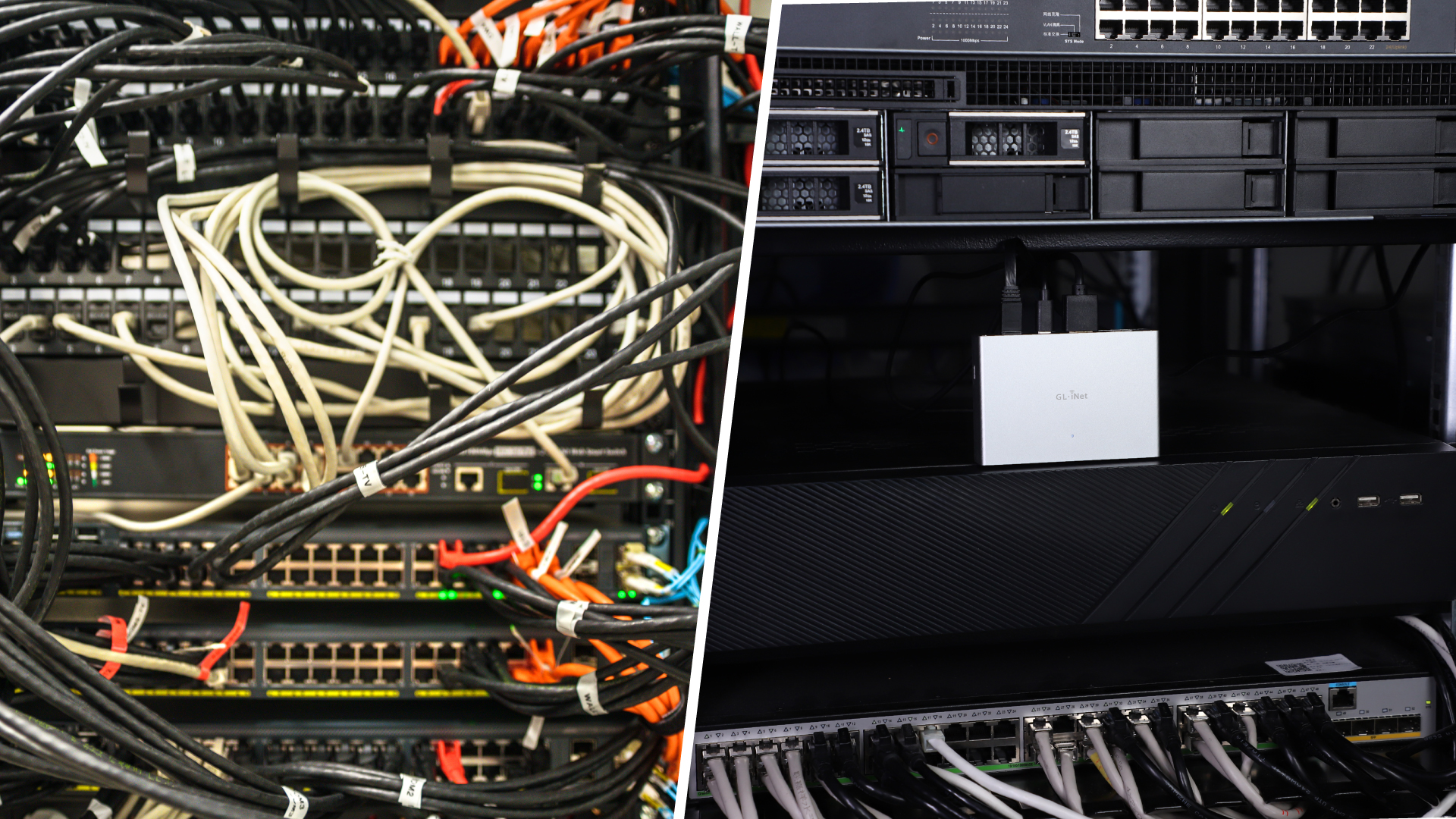
Weak-current rooms and dense cabinet environments have limited outlets, making it difficult to install traditional IT equipment with additional power modules.
Complex Installation
Building projects require rapid deployment, but on-site conditions (walls, rails, or cabinets) often demand customized mounting solutions, raising costs and slowing rollout.
Limited Maintenance Windows
Facility teams require fast and intuitive remote management, yet many tools demand client-side software or complex integration.
Integration with Building Systems
Devices must easily work alongside other weak-current systems such as switches and IoT gateways within the same network to maintain a standardized management ecosystem.
Solution
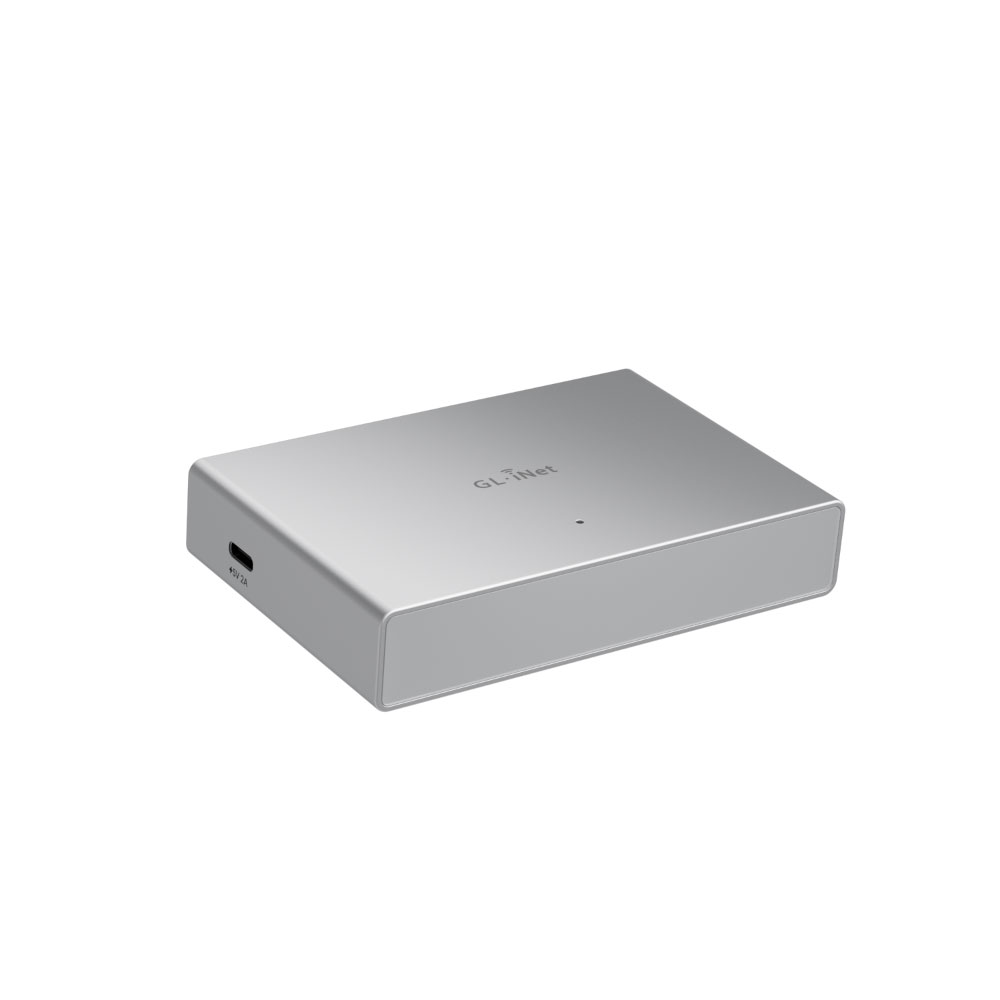
GL.iNet's Comet PoE (GL-RM1PE) addresses these challenges with a PoE-powered, flexible, and intuitive remote management solution:
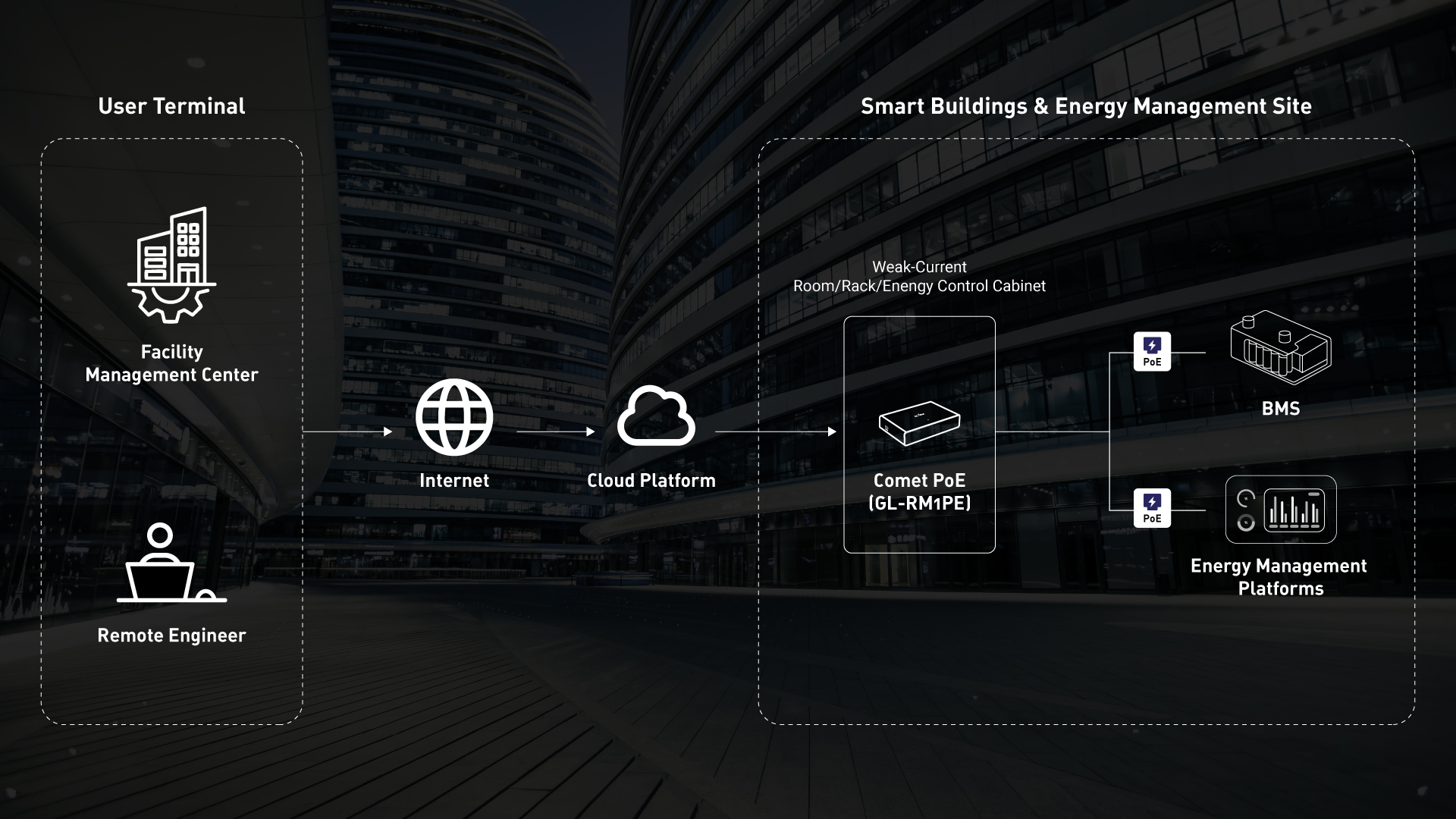
Single-Cable for Power + Network
Native Power over Ethernet (PoE) eliminates the need for extra adapters and outlets, reducing space pressure and simplifying wiring—ideal for weak-current rooms and dense racks.
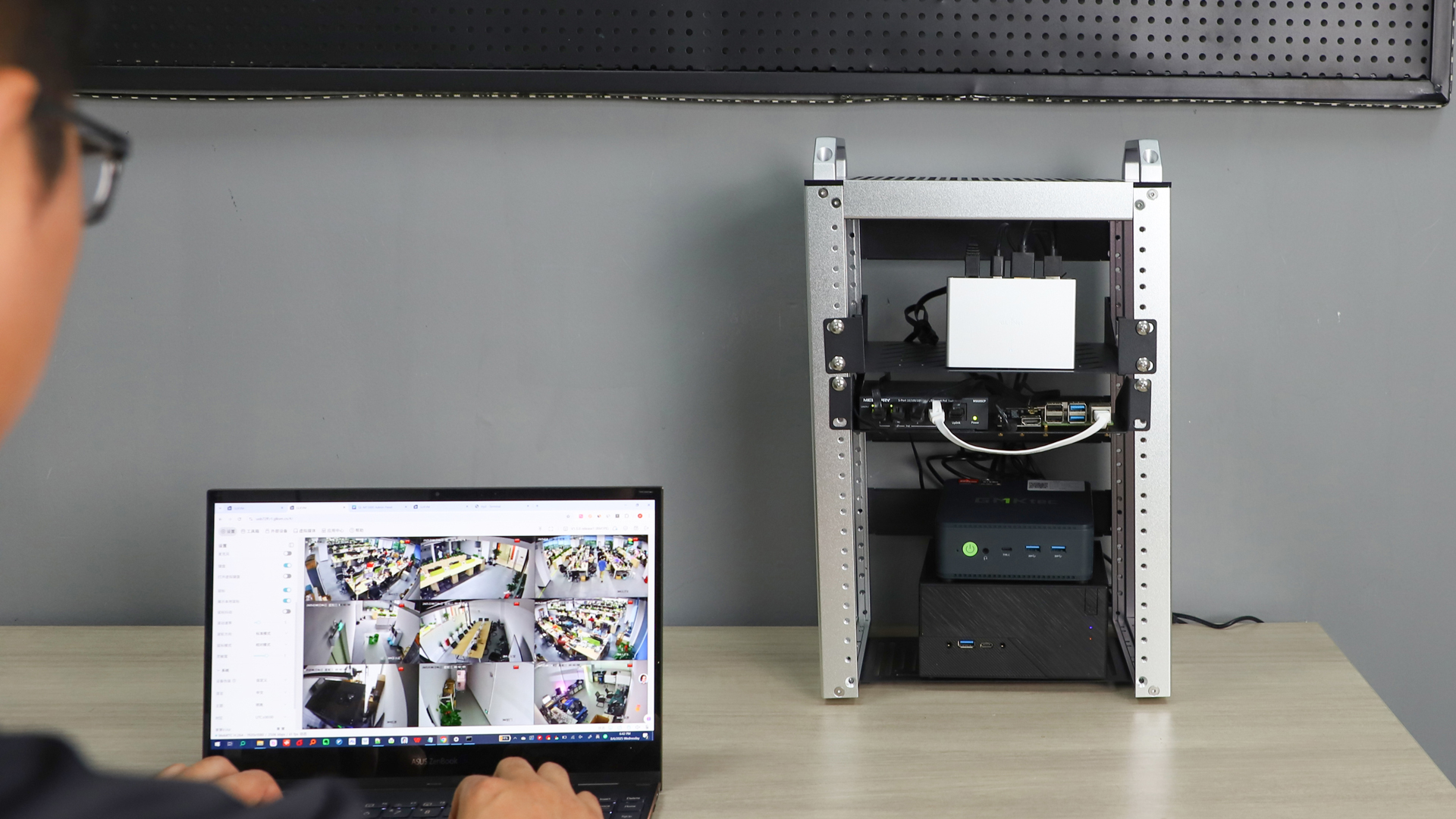
Browser-Based Remote Management
Accessible via any standard browser, without additional client software or plugins. Enables immediate visualization, troubleshooting, and system adjustments from central control rooms or remote sites.
Seamless Ecosystem Integration
Operates within the same PoE-powered ecosystem as BMS and energy platform devices, forming a standardized and manageable infrastructure.
Results
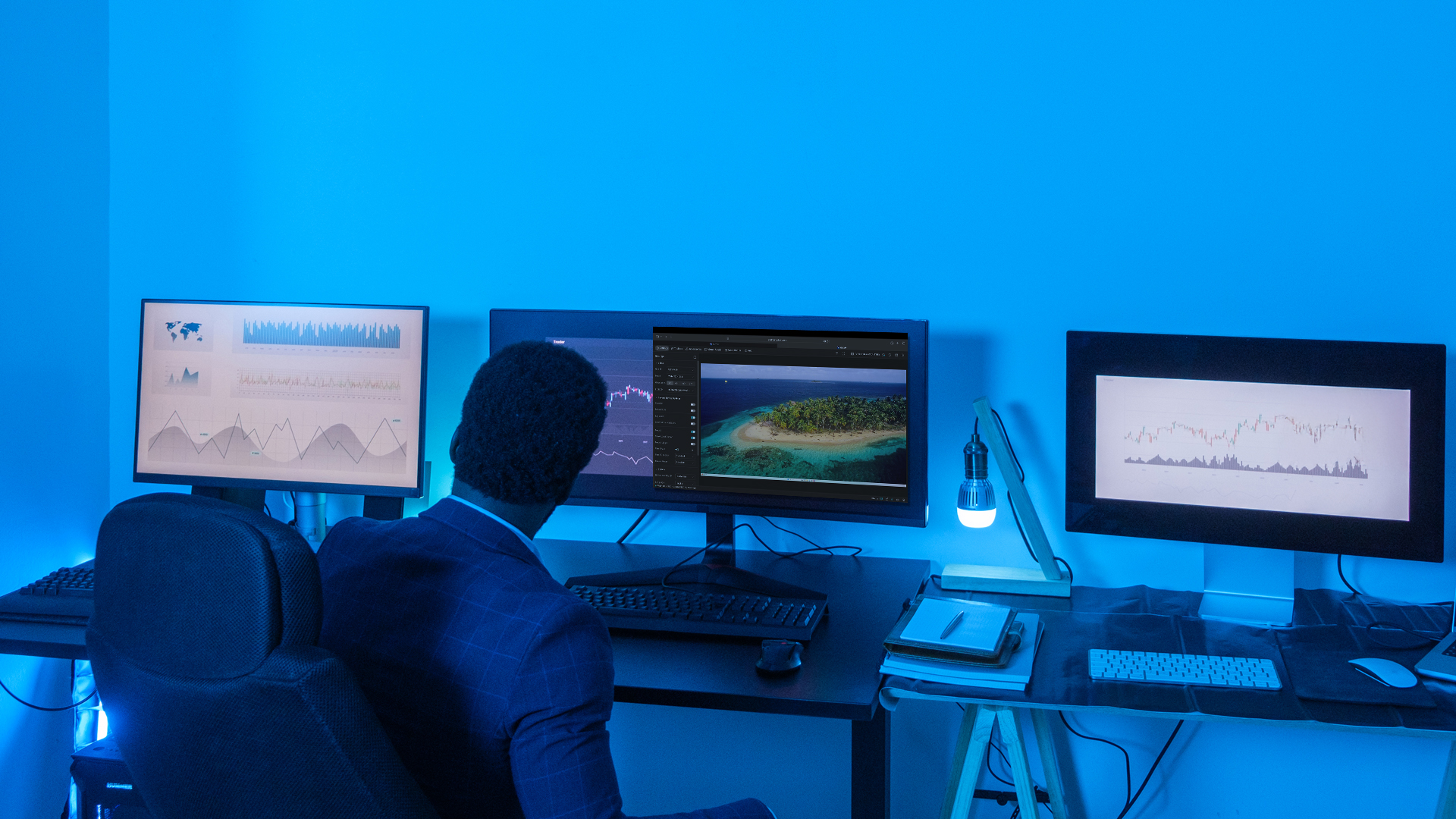
- Optimized Workforce: Engineers resolve most issues remotely, traveling only for hardware-level failures.
- Scalable Operations: Centralized bulk management increases efficiency across large server fleets.
- Lower OPEX: Remote-first operations cut travel costs and improve resource allocation.
- Reduced Downtime: Rapid BIOS-level intervention accelerates service restoration.
Contact Our Sales Team
You're more than a customer. You're our business partner. We're here to help!